Gum Care
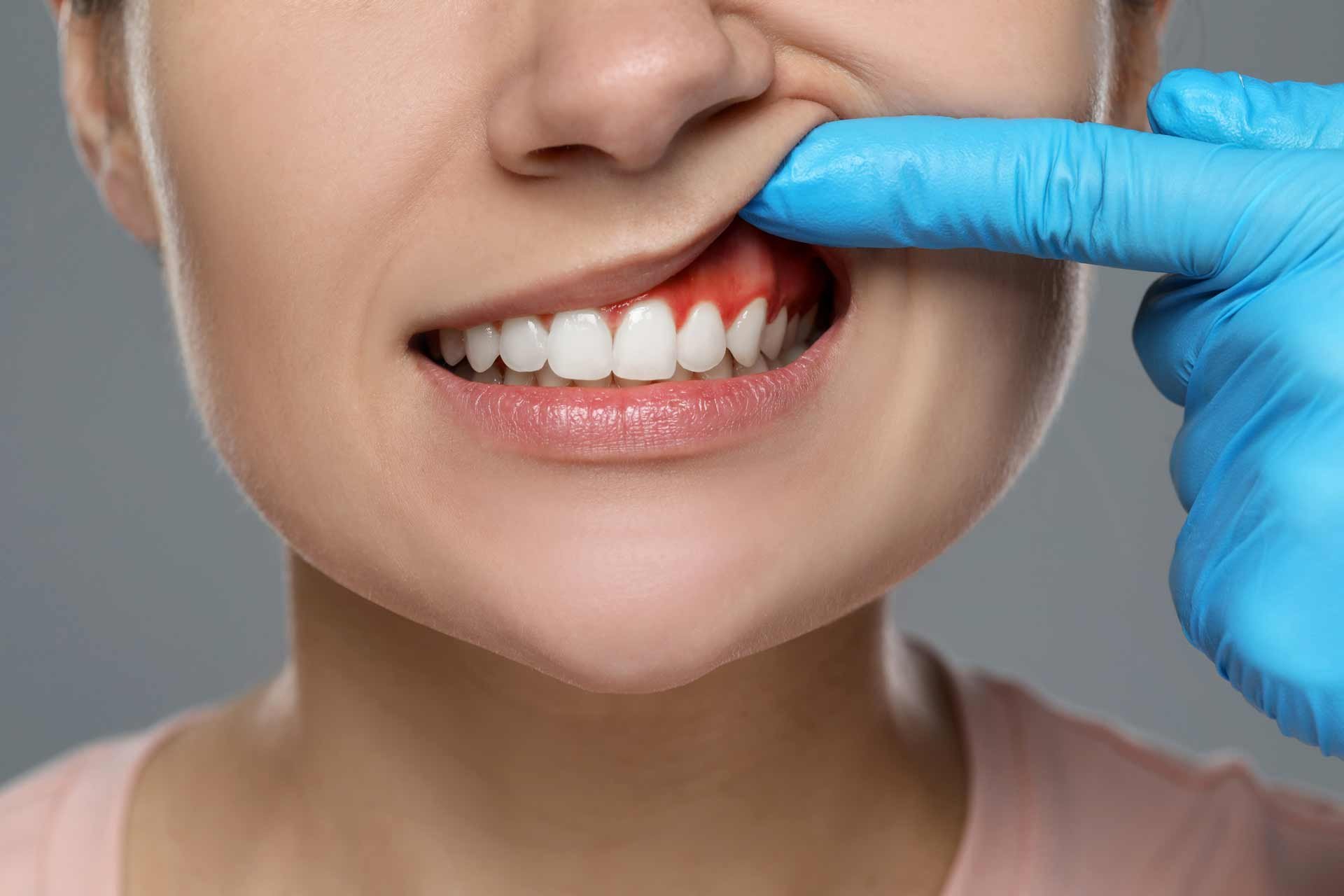
Why Gum Health Matters
Your gums do more than hold your teeth in place; they protect the roots of your teeth and act as a barrier against harmful bacteria. When gums aren’t properly cared for, plaque and bacteria can build up along and under the gumline, leading to inflammation, infection, and eventually gum disease.
The good news? With proper at-home care and regular professional cleanings, gum disease is largely preventable.
Healthy gums help you:
- Keep your natural teeth longer
- Prevent dental emergencies
- Reduce persistent bad breath
- Protect against gum recession and bone loss
- Maintain a confident, healthy-looking smile
- Reduce the occurrence and/or progression of systemic diseases
Taking care of your gums is one of the most important steps you can take for your overall oral health.
At-Home Gum Care Tips
Gum disease develops in stages, often starting with mild symptoms that are easy to overlook. That’s why daily care at home plays such an important role in prevention. By building a few simple habits into your routine, you can significantly lower your risk of gum problems.
Brush Along the Gumline
Brush twice a day using an electric toothbrush and fluoride toothpaste. Be sure to gently angle your toothbrush toward the gumline to remove plaque where it loves to hide.
Floss Every Day
Flossing removes plaque and food particles from between your teeth and under your gums — places your toothbrush simply can’t reach. Daily flossing helps prevent inflammation and keeps your gums firm and healthy.
Use an Antiseptic Mouthwash
An antimicrobial or antiseptic mouthwash can help reduce bacteria in your mouth and support your daily brushing and flossing routine.
Watch for Early Signs
Pay attention to symptoms like:
- Bleeding when brushing or flossing
- Red or swollen gums
- Gum tenderness
- Persistent bad breath
If you notice any of these signs, scheduling a dental visit early can prevent more serious problems later.
Preventing Gum Disease
Healthy gums are your first line of defense against gum disease. When your gums are strong and free of inflammation, they form a tight seal around your teeth, helping block harmful bacteria from reaching deeper tissues. But when gums become irritated or infected, that protective barrier weakens, allowing gum disease to develop and progress.
Prioritizing gum health means:
- Reducing inflammation before it turns into an infection
- Protecting the bone that supports your teeth
- Lowering your risk of gum recession and tooth loss
- Maintaining fresher breath and a healthier smile overall
Even with great at-home habits, plaque and tartar can build up in places that are difficult to reach on your own. That’s why professional gum care plays such an important role in prevention.
Gentle Dental offers comprehensive in-office gum care services designed to keep your gums healthy, detect early signs of concern, and treat problems before they become more serious.
Our Gum Care Services
Gum disease is progressive, which means early treatment is key to protecting your teeth and supporting long-term oral health. Your treatment plan will always be personalized based on your needs and the stage of gum disease.
Periodontal Maintenance and Exams
Frequent hygiene visits ensure plaque and tartar buildup are removed. Periodontal exams allow us to monitor your gum health and catch early signs of gingivitis, often reversing it before it progresses to periodontitis.
Scaling and Root Planing
This non-surgical periodontal therapy targets bacteria both above and below the gumline. Scaling removes buildup, while root planing smooths the tooth roots to help your gums reattach and heal.
Gum Grafting
Gum grafting restores tissue that has receded due to gum disease or other factors. During this procedure, healthy tissue is carefully placed over exposed tooth roots to protect them and improve gum coverage. This treatment can reduce sensitivity, strengthen support around the teeth, and help prevent further recession.
Periodontal Flap Surgery
Periodontal flap surgery is a procedure used to treat advanced gum disease. The gums are gently lifted to allow thorough removal of bacteria and buildup beneath the surface. Once completed, the gums are repositioned to promote healing and reduce deep periodontal pockets.
Contact Us