Dental Crowns
& Bridges
.png?width=720&height=500&name=Prosthodontists%20(1).png)
What Are Dental Crowns?
Dental crowns are custom-made caps that fit over damaged or decayed teeth to restore their shape, size, strength, and appearance. They are typically used when a tooth is too weak or damaged for a filling, or after root canal treatment, to protect the remaining tooth structure. Crowns can be made of alloys, gold, porcelain, or resin, and are designed to match the color of your natural teeth.
Types of Crowns
At Gentle Dental, we offer various types of dental crowns, giving you the confidence to show off your smile once again, including:
- Porcelain: Natural-looking, ideal for front teeth
- Ceramic: Durable and aesthetic, suitable for both front and back teeth
- Porcelain-fused-to-metal (PFM): Strong, natural-looking, and versatile
- Gold: Extremely durable, best for back teeth with heavy chewing forces
What Are Bridges?
Dental bridges are an excellent option for restoring your smile and maintaining proper oral function after tooth loss.
A dental bridge is a prosthetic tooth (or teeth) that literally bridges the gap left by missing teeth. The artificial tooth is held in place by being attached to crowns placed over the adjacent teeth on either side of the space. Bridges can resolve minor to moderate tooth loss and prevent remaining teeth from shifting position.
What to Expect
Both dental crowns and bridges typically involve two appointments and a careful, step-by-step process designed to ensure your restoration looks natural, feels comfortable, and functions properly.
What to Expect with a Dental Crown?
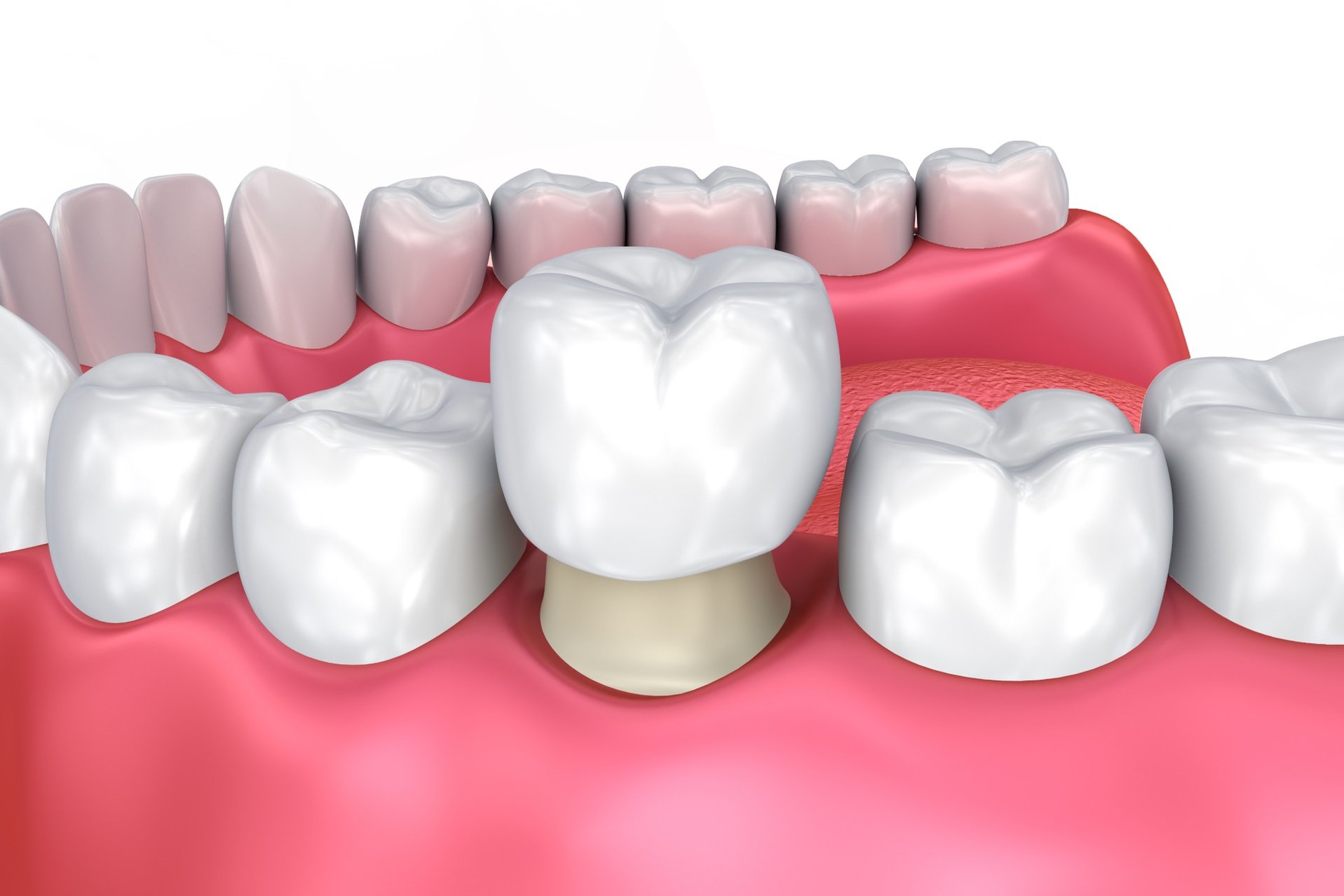
Most patients receive a crown over two visits:
First appointment: Your dentist will evaluate the tooth and gently reshape it to make room for the crown. A mold or digital scan is taken, and your crown is either created in-office (often using 3D technology) or sent to a dental lab. You’ll leave with a temporary crown to protect the tooth in the meantime.
Second appointment: At your follow-up visit, the temporary crown is removed and the tooth is cleaned. Your dentist will place the permanent crown, check the fit and bite, make any needed adjustments, and secure it with dental cement.
A short time later, you may return for a follow-up visit to ensure everything feels comfortable and functions as it should.
After The Procedure
It’s normal to experience mild sensitivity at first, especially to hot or cold. This usually improves within a few weeks. To help protect your crown and stay comfortable, we recommend:
- Avoid hard or sticky foods for the first 24 hours
- Be gentle when brushing around the crown area initially
- Use sensitive toothpaste if experiencing temperature sensitivity
- Continue regular oral hygiene practices
- Avoid grinding teeth or using the crowned tooth to open packages
- Attend regular dental check-ups
- Contact your dentist if you experience persistent pain or discomfort
What to Expect with a Dental Bridge?
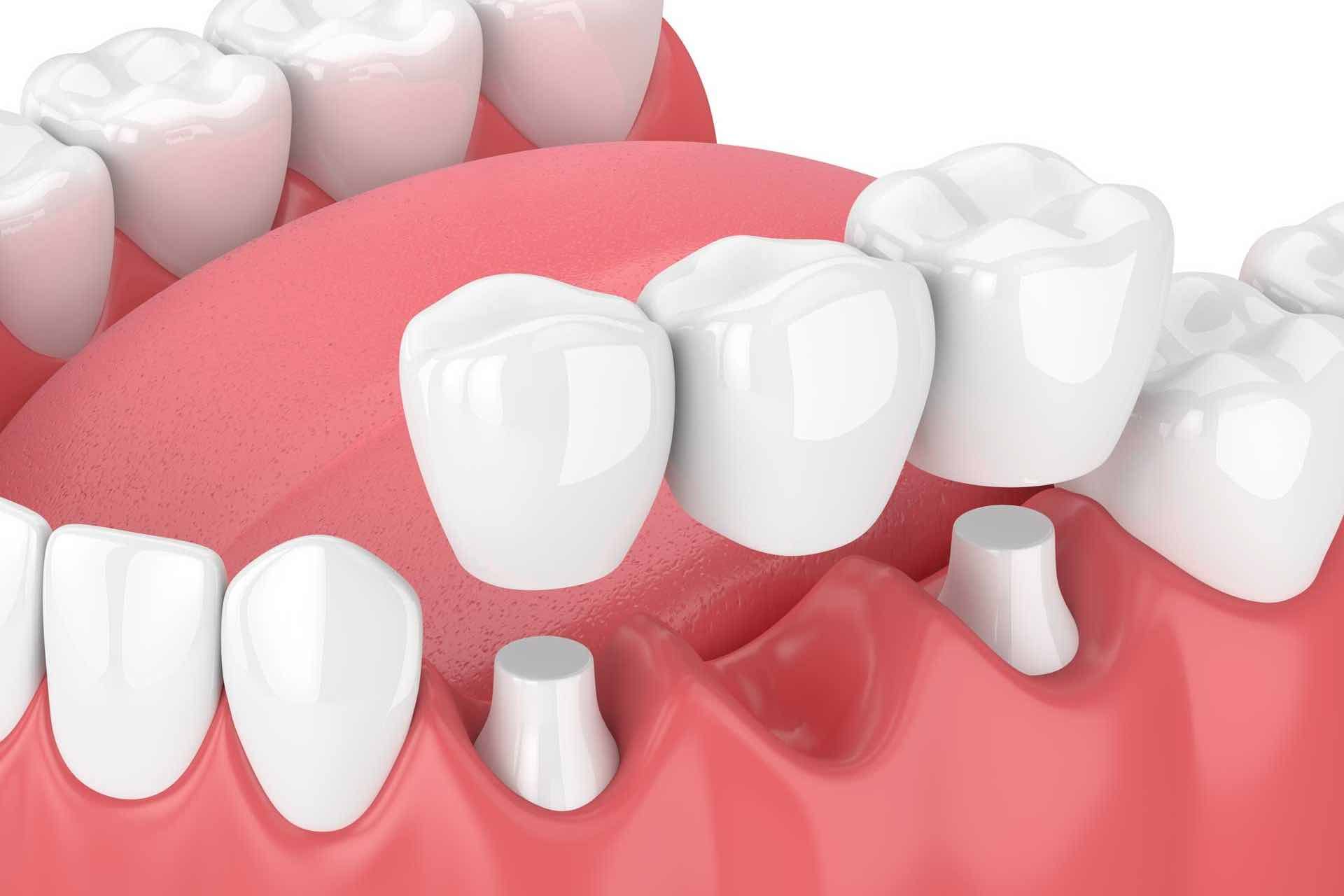
Bridges are also typically completed in two visits and begin with a thorough consultation:
- Consultation and planning: Your dentist will examine your mouth, take X-rays, and assess the health of nearby teeth and your bite. They’ll also evaluate the space where the tooth is missing and discuss your goals to determine whether a bridge is the right fit for your needs.
- First appointment: The teeth on either side of the gap are prepared so they can support crowns. Impressions or digital scans are taken, which are used to create the bridge and crowns in a dental lab. You’ll be fitted with a temporary bridge to protect the area while your permanent bridge is being made.
- Second appointment: Once the bridge is ready, your dentist will remove the temporary restoration and cement the permanent bridge into place. They’ll check your bite and make adjustments to ensure it feels secure and natural.
After The Procedure
You may notice mild soreness or sensitivity as your mouth adjusts, especially around the supporting teeth. Most patients adapt quickly. Your dentist will provide instructions to help you keep the area clean and protect the bridge, along with guidance on long-term care and routine checkups.
Which is Right for Me?
Choosing the right restorative treatment depends on what you’re trying to fix—a damaged tooth or a missing tooth—along with the condition of your surrounding teeth and your long-term smile goals. During your visit, your dentist will evaluate your oral health, bite, and the strength of nearby teeth to recommend the best option for you.
You May Be a Good Candidate for a Dental Crown If You Need To:
Crowns are often recommended when a tooth needs added strength, protection, or cosmetic improvement. You may benefit from a crown if you need to:
- Protect a weak tooth from cracking or breaking
- Restore a cracked, broken, or severely worn tooth
- Replace a large filling when there isn’t much natural tooth structure left
- Cover a tooth after root canal therapy
- Improve the appearance of a stained, misshapen, or uneven tooth
- Support a dental bridge by covering an adjacent tooth
You May Be a Good Candidate for a Dental Bridge If You:
Dental bridges are typically recommended when you’re missing one or more teeth and the surrounding teeth can safely support the restoration. You may be an ideal candidate for a bridge if you have:
- One or more missing teeth
- Healthy adjacent teeth that already have large fillings or existing crowns (and strong supporting tissue)
- Enough space between remaining teeth to place a bridge comfortably
- Good overall oral health
- No severe gum disease or conditions that could affect healing
- A commitment to strong daily oral hygiene and regular dental checkups
Contact Us