One of the most common dental issues leading to orthodontic treatment is a crossbite. This issue affects up to 17% of the population, yet many people have no idea what a crossbite is.
When your upper and lower teeth don't align as they should, with one or more of your upper teeth landing inside your lower teeth when you bite down, instead of resting like a lid on a shoebox, that’s a crossbite.
Dentists diagnose crossbites in both children and adults. Other bite problems, like an underbite or overbite, impact the entire vertical arch of your teeth. A crossbite is a side-to-side misalignment involving one or more teeth.
Depending on your age and the severity of your crossbite, there are different treatment options. The causes vary, and untreated crossbites can lead to serious issues like enamel wear, jaw and head pain, gum issues, and tooth decay. The earlier you receive treatment, the better.
Types of Crossbites: Anterior vs. Posterior
Crossbites fall into two categories. Anterior crossbites affect your front teeth, while posterior crossbites impact your back teeth.
Anterior Crossbite
Anterior crossbite occurs when one or more teeth sit behind the lower front teeth. Often confused with underbites, anterior crossbites involve individual teeth rather than the entire jaw. A common sign is a front tooth that appears pushed back or tucked behind the lower teeth.
Posterior Crossbite
With a posterior crossbite, your upper back molars and premolars sit inside the lower back teeth. These can be unilateral (one side) or bilateral (both sides), and are harder to notice because they're in the back of your mouth.
Signs and Symptoms of a Crossbite
If you suspect you or your child may have a crossbite, here’s what to look for:
Sometimes a crossbite isn’t easily detected. Mention it to your dentist at your regular check-up for a professional assessment.
What Causes a Crossbite?
Several factors can contribute to a crossbite, and knowing them can help you intervene before things progress:
- Genetics is the single biggest cause, influencing jaw size and tooth alignment.
- Early or late loss of baby teeth disrupts the timing of permanent tooth eruption.
- Prolonged thumb-sucking, pacifier use, or tongue thrusting in childhood
- Mouth breathing, which can affect jaw development in children
- Mismatched upper and lower jaw size
More often than not, your dentist will identify a combination of these factors rather than just one.
What Happens If a Crossbite Is Left Untreated?
With a crossbite, a wait-and-see approach can lead to painful and ultimately expensive consequences. Crossbites rarely self-correct, so leaving your crossbite untreated could mean:
- Uneven wear leading to chipping, cracking, and enamel erosion.
- TMJ and pain as your jaw compensates for the misalignment.
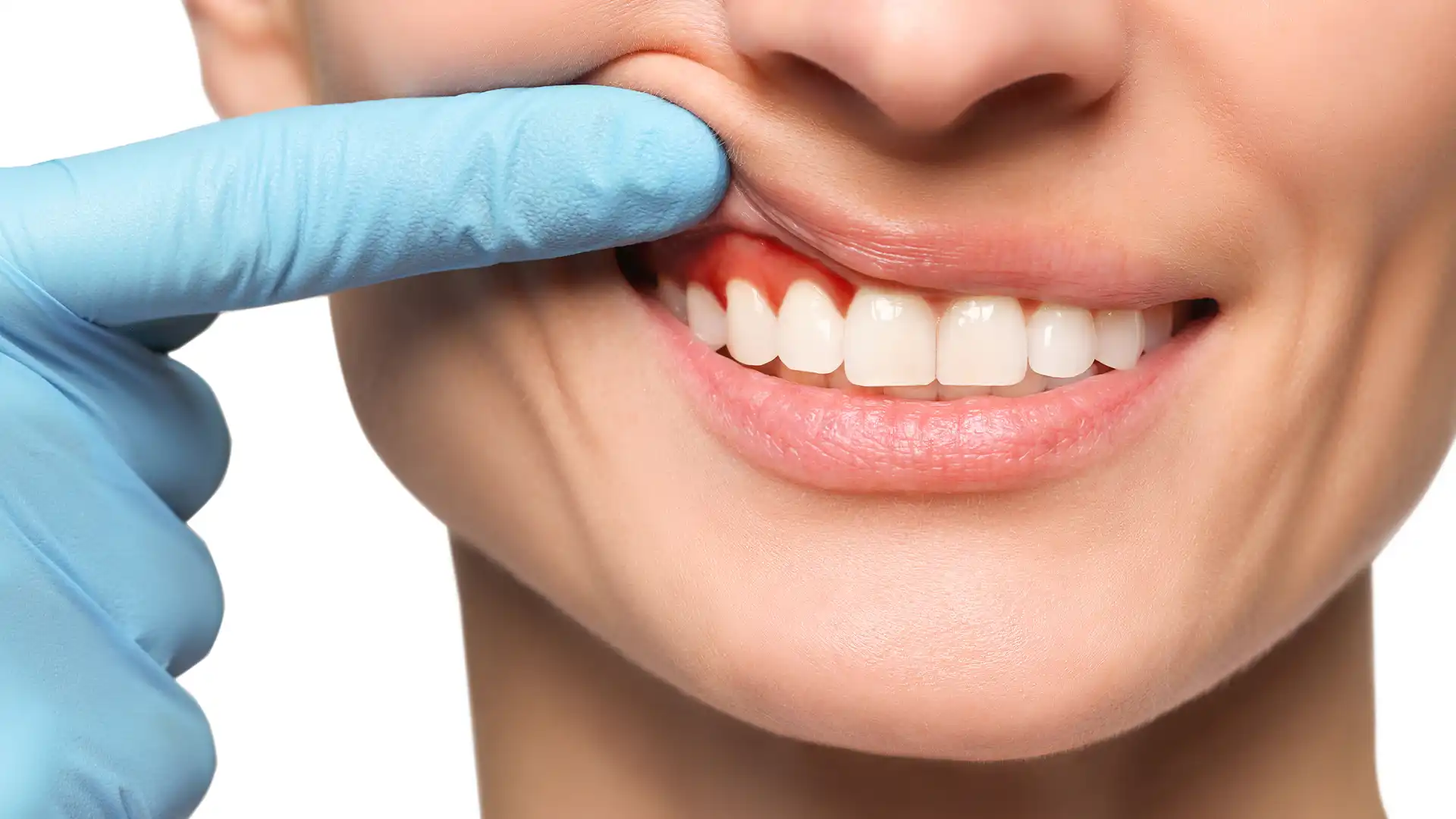
- An advanced crossbite may cause gum recession and bone loss around affected teeth.
- Facial asymmetry may become more noticeable, especially in children as they grow.
- Difficulty brushing and flossing
How Is a Crossbite Treated?
Fixing a crossbite depends on your dentist’s diagnosis. Crossbite correction may involve braces or palatal expanders. More advanced crossbite treatment could involve surgery.
Palatal Expanders
Often used for children whose jaws are still developing, palatal expanders attach to the upper molars and gradually widen the upper jaw. They work best for crossbite correction when started early, around ages 7–10.
Braces
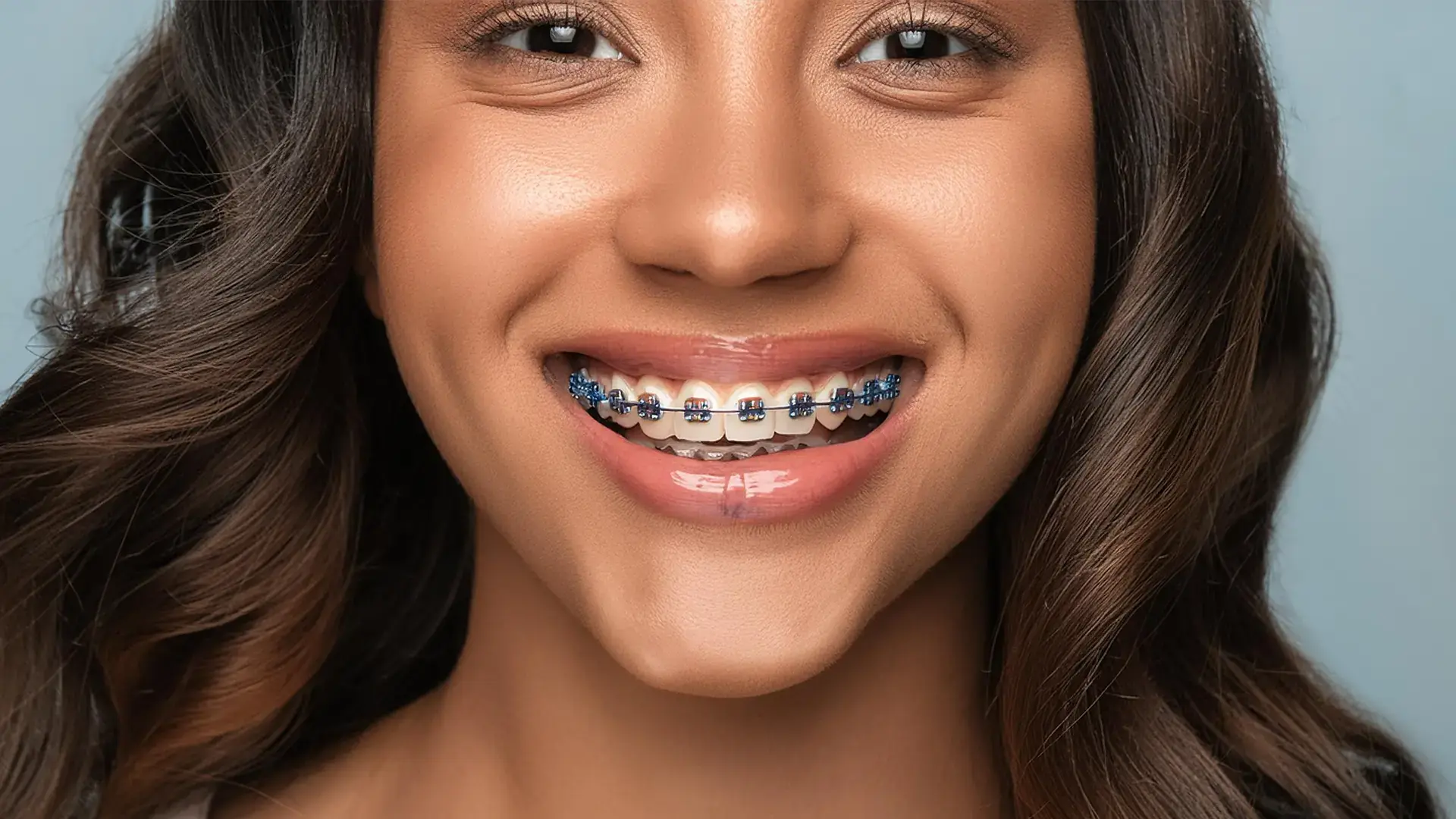
Crossbite correction with traditional braces works for children and adults. They work to align the teeth, sometimes in combination with palatal expanders for more complex cases.
Clear aligners (Invisalign)
Invisalign can correct crossbites in mild to moderate cases in both teens and adults, though clear aligners are not always the best option. Your orthodontist will determine if Invisalign crossbite correction is right for you.
Surgical Correction
In more severe cases, adults may require orthognathic (jaw) surgery to reposition the upper or lower jaw. Crossbite correction surgery is typically used in combination with braces, both before and after the procedure.
Get a Crossbite Evaluation at Gentle Dental
Crossbites are common and treatable, but early evaluation is a must. Gentle Dental’s orthodontists offer evaluations for all bite issues, including crossbites. We treat both children and adults with the best treatment option to correct their unique crossbite.
At Gentle Dental, we offer oral healthcare for the entire family. We understand your family’s dental health is a priority, but it can be an investment. We accept most insurance plans and provide flexible payment options.
Ready to take the first step? Schedule an orthodontic evaluation at your closest Gentle Dental office today. We'd love to help your family smile with confidence!