Each year, over 50,000 people in the United States are diagnosed with oral cancer. Early detection can make a life-saving difference, but only when cancer is caught before it spreads. That’s where oral cancer screenings come in. These quick, routine exams give your dental team a chance to identify concerns early, improving outcomes and peace of mind.
What Is an Oral Cancer Screening?
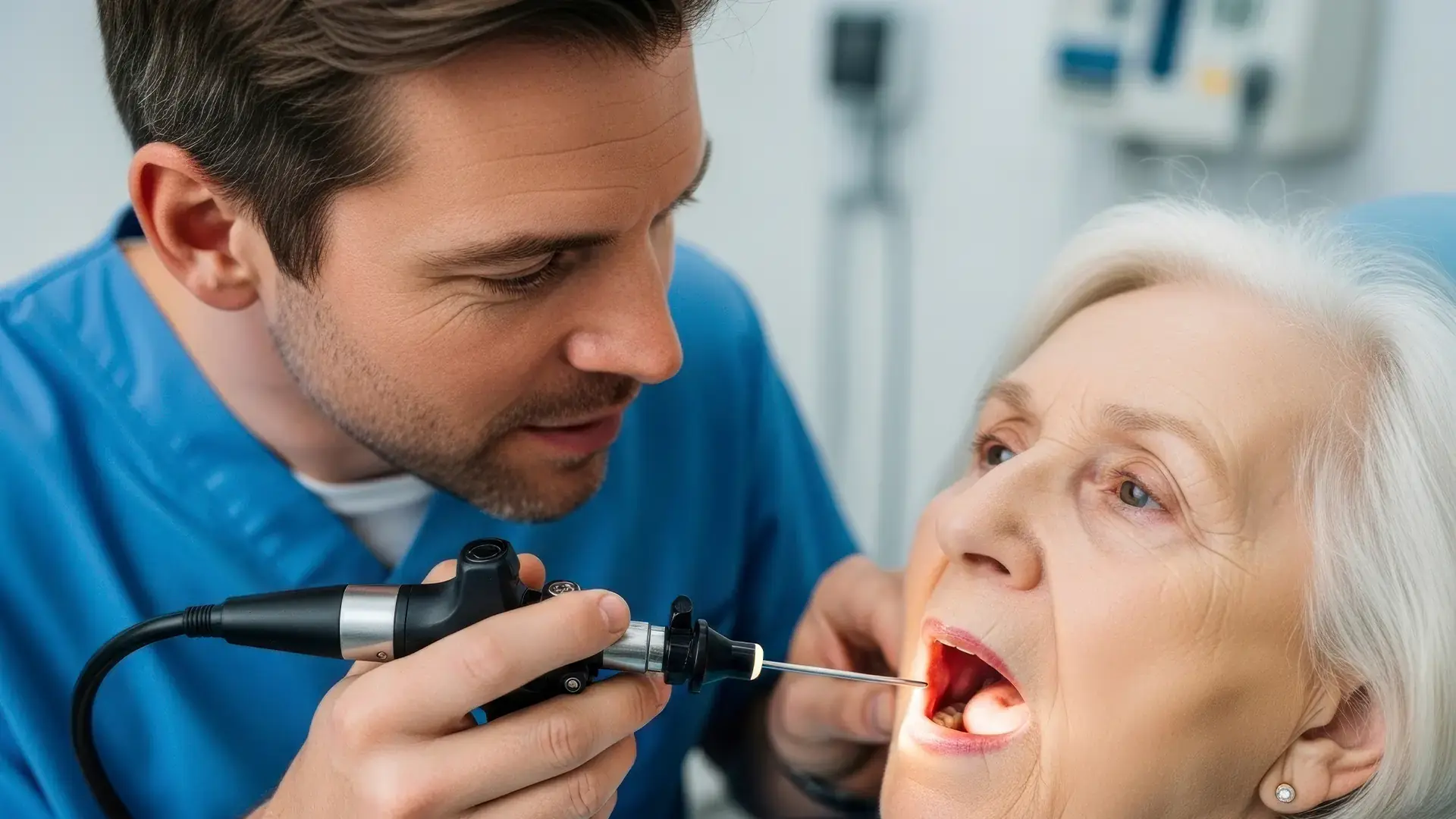
An oral cancer screening is a simple, painless exam performed by your dentist to check for early signs of cancer in and around your mouth. The goal is to identify anything unusual before symptoms appear, when treatment is most effective.
During the exam, your dentist will look for sores, lesions, discolored patches, or abnormal growths inside your mouth. They’ll also gently feel your jaw, neck, and oral tissues for lumps or swelling. If anything appears suspicious, they may recommend monitoring the area, performing a biopsy, or referring you to a specialist for further evaluation.
The best part? These screenings are typically included in your routine dental visit and require no special preparation.
Why Early Detection of Oral Cancer Is So Important
Oral cancer is much more treatable when caught early. The five-year survival rate for localized cases is around 84%, but that drops significantly to about 39% once the cancer has spread.
One of the biggest challenges is that oral cancer often develops without noticeable symptoms. By the time discomfort or visible changes appear, the disease may already be advanced. Routine screenings allow dentists to detect subtle warning signs you may not notice on your own.
It’s also important to understand that HPV (human papillomavirus) is now a leading cause of oropharyngeal cancers, which affect the back of the throat, base of the tongue, and tonsils. These cancers are increasing and can affect individuals without traditional risk factors like tobacco or alcohol use, making regular screenings important for everyone.
Can Dentists Check for Mouth Cancer?
Yes! Oral cancer screenings are a standard part of a comprehensive dental checkup. Dentists use several methods to evaluate your oral health:
- Visual exam: Checking lips, tongue, gums, cheeks, and throat for sores or unusual patches
- Physical palpation: Feeling the jaw, neck, and oral tissues for lumps or swelling
- Adjunct tools: Special lights or rinses may be used to highlight abnormal tissue
If something suspicious is found, your dentist may monitor the area, refer you to a specialist, or recommend a biopsy.
How Often Should You Get an Oral Cancer Screening?
The American Dental Association (ADA) recommends that adults receive an oral cancer screening at least once a year. For most patients, this happens during their annual dental checkup.
If you have higher risk factors, your dentist may suggest more frequent screenings. Staying consistent with routine visits is key to catching changes early.
Who Is at Higher Risk for Oral Cancer?
While oral cancer screenings are beneficial for everyone, they’re especially important for individuals with certain risk factors, including:
- Tobacco use (cigarettes, cigars, chewing tobacco)
- Heavy alcohol consumption
- HPV infection
- Previous oral cancer diagnosis
- Excessive sun exposure (lip cancer risk)
- Age 40 or older
- Family history of oral cancer
Even without these risk factors, routine screenings remain a simple way to protect your health.
Common Signs and Symptoms of Oral Cancer
Oral cancer can develop slowly over several years without obvious warning signs. Many cases are discovered at advanced stages, when treatment is more complex.
Between screenings, it’s important to stay aware of potential warning signs. Contact your dentist if you notice any of the following lasting more than two weeks:
- Persistent mouth sores that don’t heal
- White or red patches inside the mouth
- Difficulty chewing or swallowing
- A lump or thickening in the cheek, neck, or throat
- Numbness or tenderness in the mouth or lips
- Hoarseness or a persistent sore throat
These symptoms don’t necessarily mean cancer, but they should always be evaluated.
What Happens If Something Suspicious Is Found?
Finding something unusual doesn’t mean you have cancer because most abnormalities are benign. However, your dentist will take appropriate next steps, which may include:
- Monitoring the area for a few weeks
- Referring you to a specialist
- Performing a biopsy to test for cancerous cells
Your dental team will guide you through the process and ensure you understand each step.
Schedule Your Oral Cancer Screening Today
Our team at Gentle Dental performs thorough oral cancer screenings during every comprehensive exam. With convenient locations, flexible hours, and accessible care, getting screened is simple.
Don’t wait for symptoms to appear. Schedule your screening today and take a proactive step toward protecting your health.
-optimized.webp)