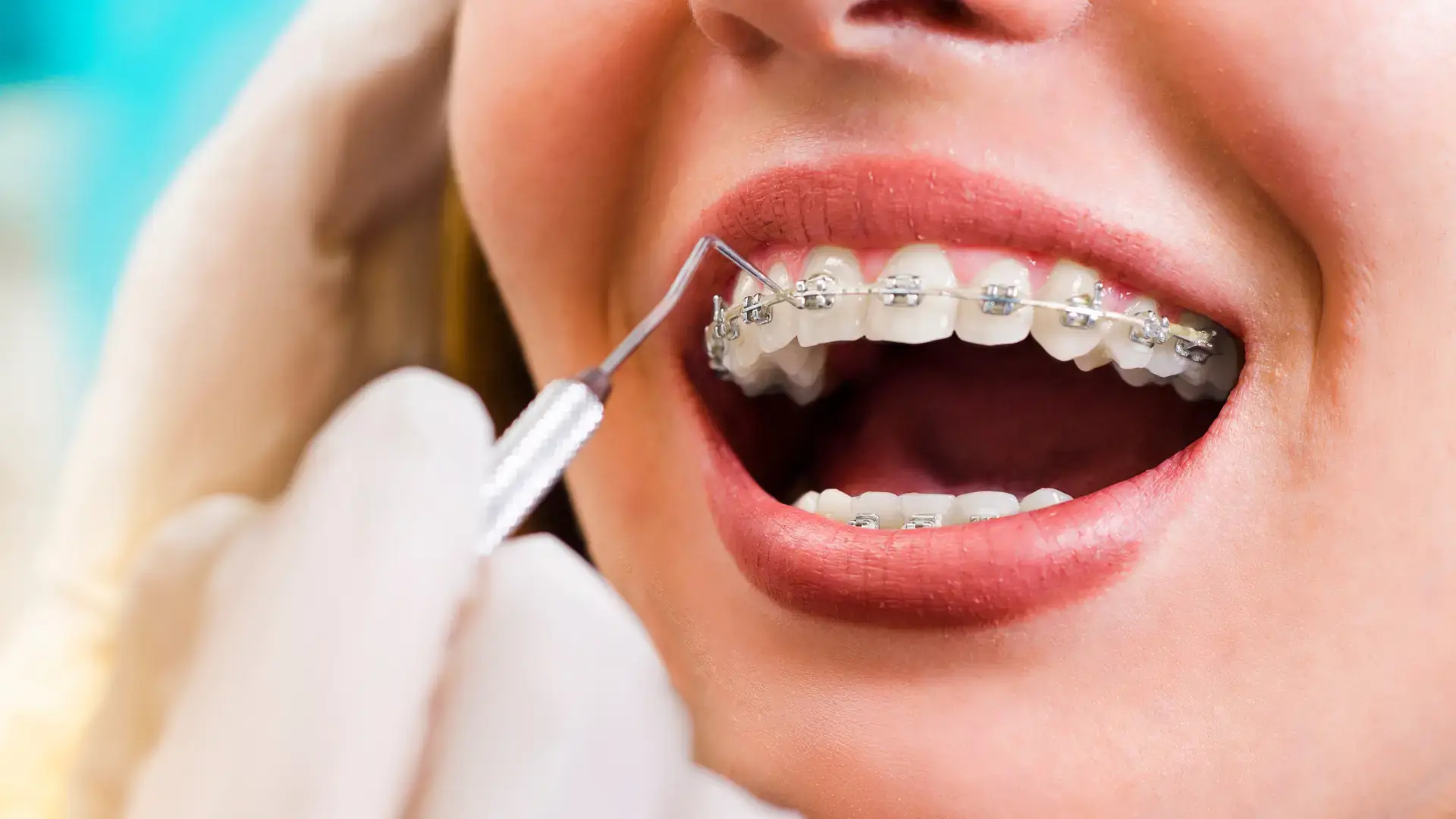
While few of us are born with perfect teeth, nearly everyone can get the smile they've always wanted with the help of modern braces. These days, there are a variety of braces available depending on the nature and severity of a dental problem. Here are the most common types of braces, along with their benefits and limitations.
Traditional Metal Braces
Traditional metal braces are made of high-grade stainless steel and are attached to each tooth using a strong dental adhesive. Each bracket is connected by a thin archwire, which gently guides your teeth into better alignment over time. Small elastics (often called O-rings or ligatures) hold the wire in place, and your orthodontist will adjust them at regular visits to keep your treatment moving in the right direction.
Metal braces are often the go-to choice for more complex alignment issues, since they’re powerful, precise, and reliable. They’re also one of the most affordable and widely available orthodontic options, making them a popular pick for many families. Because they’re durable and highly effective, traditional braces are especially common for teens and younger patients who need significant correction.
Benefits of Traditional Metal Braces
- Best for severe misalignment
- Most durable option
- Typically the most cost-effective
Ceramic Braces for a More Discreet Look
Ceramic braces work a lot like traditional metal braces—they use brackets and an archwire to gently guide your teeth into place over time. The difference lies in the appearance: the brackets are made from a clear or tooth-colored ceramic material, making them less noticeable when you smile. That’s why ceramic braces are a popular option for adults and older teens who want the power of braces with a more discreet appearance.
Because ceramic brackets typically use clear elastics, it’s important to stay on top of stain prevention. Certain foods and drinks (like coffee, tea, red wine, curry, and tomato sauce) can discolor the elastics, and smoking can also cause staining. The good news: with consistent brushing, regular cleanings, and a few simple habits, many patients are able to keep ceramic braces looking bright. Your orthodontist can also recommend the best ways to prevent stains and keep your brackets and elastics clean throughout treatment.
Pros and Cons of Ceramic Braces
Pros
- Less noticeable than metal braces
Cons
- Requires extra cleaning care
- Slightly higher cost
Self-Ligating Brackets: Fewer Adjustments, Efficient Results
Self-ligating braces work similarly to traditional braces, but instead of using elastics (O-rings) to hold the wire in place, each bracket has a built-in slide or small “door” that secures the archwire. This design can reduce friction, allowing the wire to move more smoothly as your teeth shift into alignment.
Because there are no elastics to change at every visit, self-ligating braces may require fewer adjustment appointments for some patients, though results and visit schedules vary. Your orthodontist can help you decide if you’re a good candidate based on your smile goals and alignment needs.
Clear Aligners (Including Invisalign®)
Clear aligners use a series of custom-made, nearly invisible plastic trays that fit snugly over your teeth—similar to a thin mouth guard. You’ll switch to a new set of aligners every couple of weeks, with each tray gently moving your teeth closer to their ideal position. Because aligners are clear, they’re a popular choice for patients who want a more discreet orthodontic option.
One of the biggest perks is that aligners are removable, so you can take them out to eat, brush, and floss—no special tools required. However, that flexibility comes with an important responsibility: aligners only work when you wear them consistently, as directed by your orthodontist. Clear aligners can be a great fit for mild to moderate alignment concerns, but they may not be the best option for more complex bite issues or severe misalignment, where braces can offer more precise control. Your orthodontist can help you decide what will work best for your smile and your lifestyle.
Benefits of Clear Aligners
- Nearly invisible
- Removable for eating and brushing
- Requires consistent wear
What to Consider When Choosing Braces
Choosing the right orthodontic option is all about finding the best match for your smile, your lifestyle, and your budget. Your orthodontist will help you compare your options and recommend a treatment plan that fits your needs—whether you’re starting early as a child or exploring braces as an adult.
Key Factors to Consider
- Age and stage of development (kids, teens, and adults may have different options)
- Severity of alignment issues (some cases need the strength and precision of braces)
- Lifestyle and compliance (especially important for removable aligners)
- Budget and insurance coverage (including financing options when needed)
- Orthodontic screenings around age 7 are recommended so issues can be caught early
- Benefits of early intervention: starting sooner can open up more treatment options and may lead to more efficient results
- Adults can benefit at any age—it’s never too late to invest in a healthier, more confident smile
Your Path to a Straighter, Healthier Smile Starts with Gentle Dental
Regardless of which orthodontic option suits your needs, the right treatment can help you feel more confident and support better long-term oral health. Our friendly team at Gentle Dental makes it easy to take the next step with convenient locations, flexible scheduling, and affordable payment options.
Ready to get started? Book an orthodontic consultation today and let’s find the best path to your straighter, healthier smile.
-optimized.webp)