Healthy habits start with baby teeth—because every smile begins small.
It’s never too early to start focusing on your child’s dental health. Baby teeth play a significant role in helping children eat, speak, and smile with confidence because they lay the foundation for healthy adult teeth. According to the American Dental Association, more than 40% of children have tooth decay by the time they reach kindergarten. That’s why starting good oral hygiene habits early is so important.
With a little guidance and the right support, parents can help protect their child’s smile from the very beginning, and Gentle Dental Kids is here to help make that journey easy, comfortable, and stress-free.
Why Baby Teeth Matter More Than You Think
Baby teeth may be small, but they play a big role in your child’s lifelong oral health. These early teeth help children chew food properly, form clear speech, and smile with confidence as they grow and learn. Just as importantly, baby teeth hold space in the jaw and help guide permanent teeth into the correct position, setting the stage for a healthier, straighter smile later on.
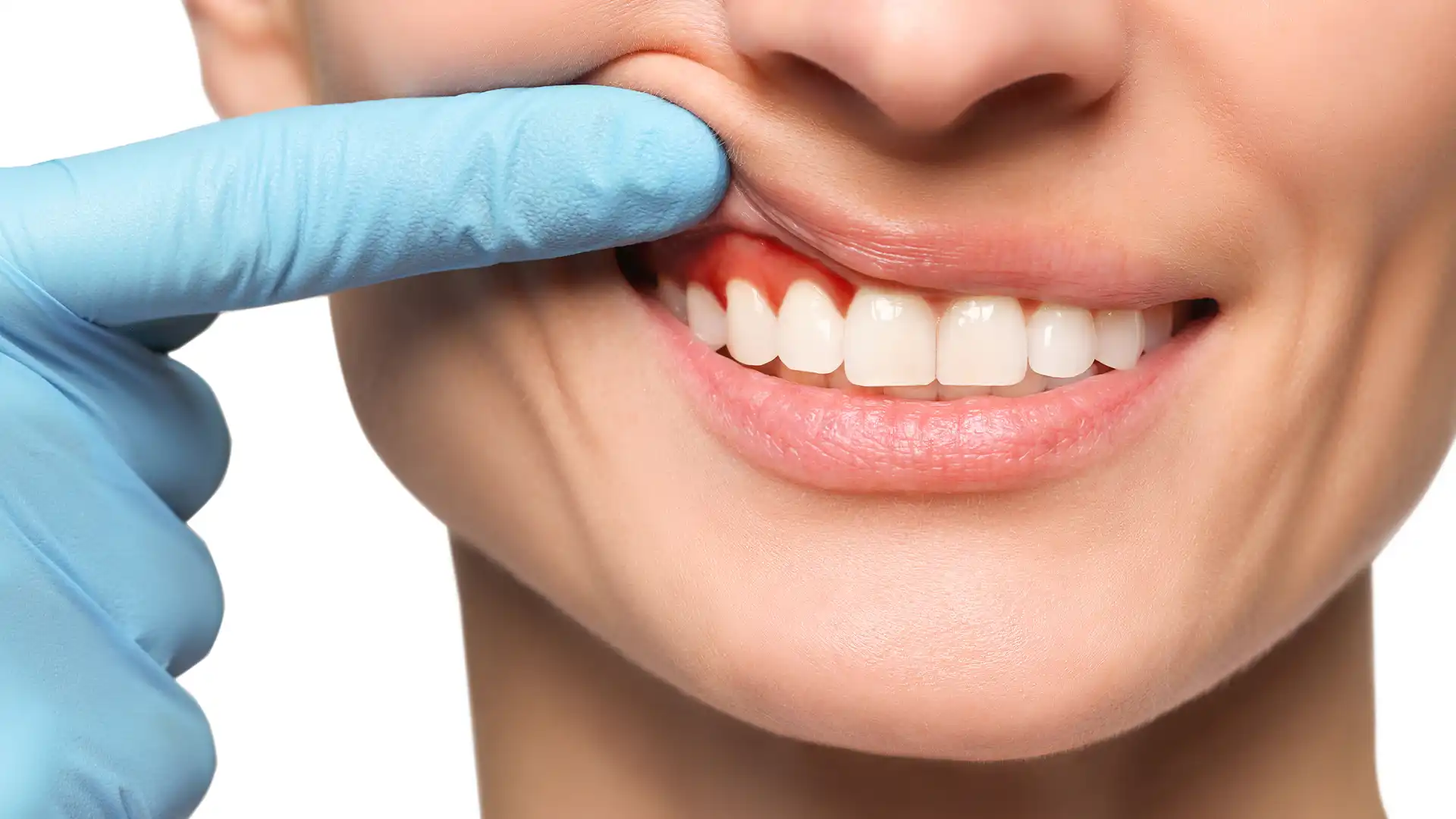
When baby teeth develop cavities or are lost too early, it can affect more than just the smile. Early tooth decay may interfere with speech development and make it harder for children to eat a balanced, nutritious diet.
Most children’s first baby teeth, also called primary teeth, begin to erupt between six months and one year of age, with all 20 primary teeth typically in place by around age three. Keeping these teeth healthy during those early years helps protect your child’s comfort, confidence, and oral health for the long run.
How to Care for Your Child’s Baby Teeth
Baby teeth can get cavities just like adult teeth. The most effective way to prevent tooth decay at any age is to brush your teeth twice a day for two minutes, floss your teeth once per day, and schedule routine check-ups with your dentist. Early on, your child should understand how to properly clean and care for their teeth to prevent decay and cavities. This will allow them to achieve a lifetime of healthy smiles.
Start Cleaning Early
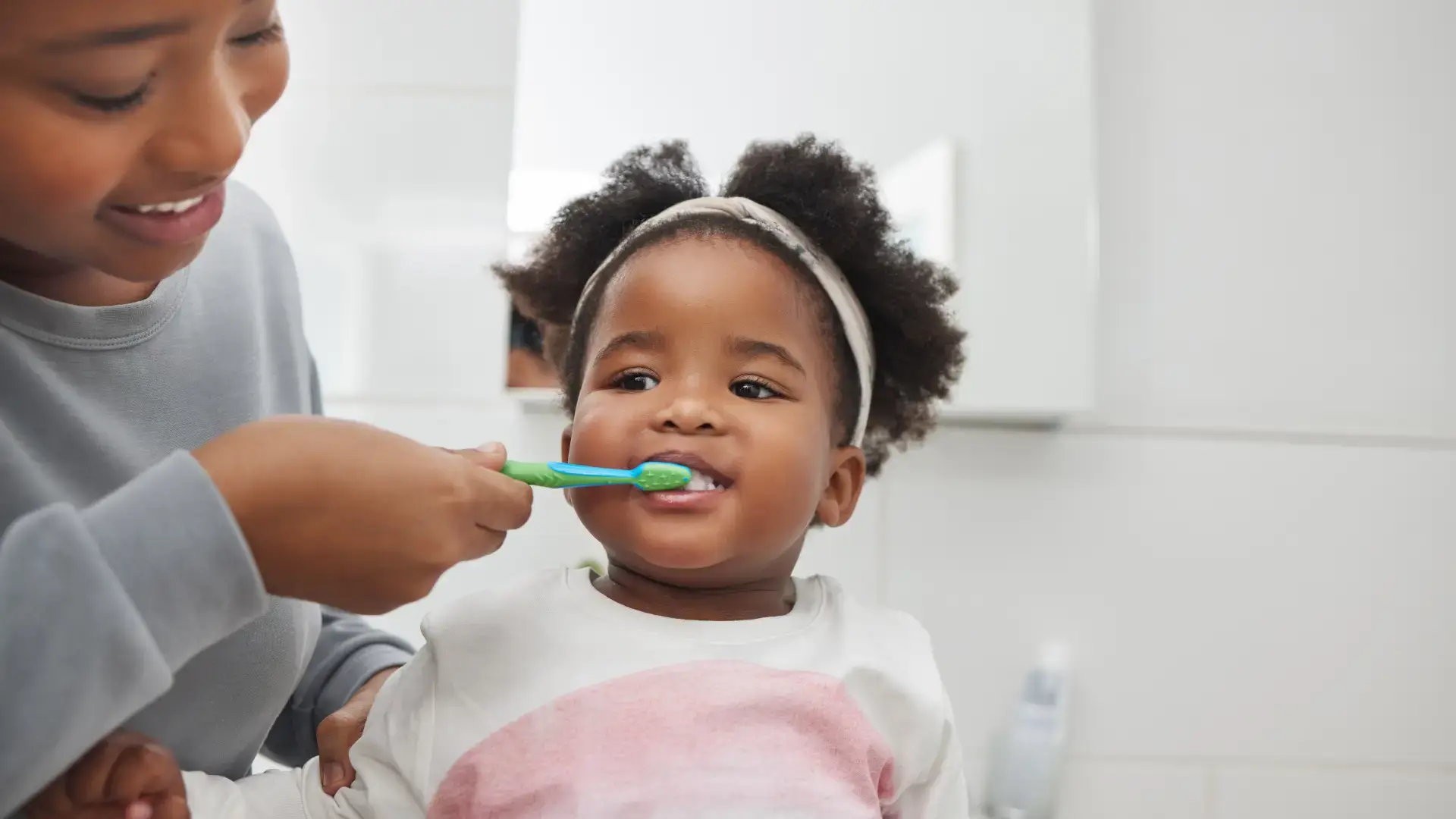
Good oral care begins even before the first tooth appears. Gently wiping your baby’s gums with a clean, soft cloth helps remove bacteria and gets your child used to having their mouth cleaned. Once teeth begin to emerge, switch to a small, soft-bristled toothbrush designed for infants to keep those tiny teeth healthy from the start.
Brush Twice a Day (With Supervision!)
As soon as your child has teeth, brushing twice a day becomes an important daily habit. Use a fluoride toothpaste in a rice-sized amount for toddlers, and help guide the brush to make sure every tooth is cleaned properly. Supervised brushing for two minutes in the morning and before bed helps protect baby teeth while teaching kids healthy routines.
Floss Daily Once Teeth Touch
When baby teeth start touching each other, brushing alone isn’t enough. Flossing helps remove food and plaque from between tight spaces where cavities can easily form. Making flossing part of your child’s routine early on helps prevent decay and sets them up for good oral habits as they grow.
Limit Sugary Snacks and Drinks
Sugary snacks, juices, and prolonged bottle use can increase the risk of cavities in young children. Avoid putting your child to bed with a bottle and limit sugary beverages throughout the day to help prevent baby bottle tooth decay. Choosing water and healthy snacks supports both dental health and overall wellness.
Schedule Regular Dental Checkups
Regular dental visits help catch small issues before they become bigger problems and keep your child comfortable with dental care. Gentle Dental Kids focuses on creating a calm, friendly experience that helps children feel at ease in the dental chair. Book your child’s next cleaning at your nearest Gentle Dental Kids location to keep their smile on the right track.
When to Schedule Your Child’s First Dental Visit
The American Academy of Pediatric Dentistry (AAPD) recommends scheduling a child’s first dental visit no later than age one or within six months of the first tooth coming in. While that may sound early, these first visits are all about prevention, education, and setting the tone for a lifetime of healthy smiles.
Early dental visits allow the dentist to:
- Check for early signs of tooth decay before problems progress
- Monitor how teeth, jaws, and bites are developing
- Offer guidance on brushing, nutrition, and oral habits like thumb-sucking
At Gentle Dental, these early appointments are designed to be gentle, welcoming, and age-appropriate. The goal is to help children feel comfortable in the dental chair while giving parents peace of mind that their child’s smile is developing as it should.
How to Create a Positive Dental Routine for Kids
Building healthy dental habits is most effective when it feels fun and stress-free. Creating a positive routine at home helps children view oral care as a normal, and even enjoyable, part of their day.
Parents can help by:
- Turning brushing time into fun with music, timers, sticker charts, or small rewards
- Modeling good habits by brushing and flossing together as a family
- Reinforcing that dental care is a form of self-care that helps keep smiles strong and confident
When kids associate dental routines with encouragement and consistency, they’re more likely to stick with healthy habits that last well beyond childhood.
Build Bright Smiles That Last a Lifetime with Gentle Dental Kids
Early childhood tooth decay is preventable with proper oral hygiene habits. To learn more about caring for your child’s teeth, schedule an appointment with your dentist. They will begin to monitor the development of your child’s teeth, jaw, and palate, as well as make recommendations to improve your child’s oral hygiene routine. Contact us today to schedule an appointment.