Mouthwash seems simple, but it comes with more questions than you'd expect. When should you use it? Does it expire? Is it even safe? Here are direct answers to the mouthwash questions people ask most, starting with the one everyone wants to know: before or after brushing?
Should You Use Mouthwash Before or After Brushing?
In most cases, use mouthwash after you brush and floss. Brushing and flossing clear away plaque and food debris first, so mouthwash can reach clean tooth surfaces and work the way it's meant to, rinsing away loosened particles and leaving a fresh, protective layer behind.
There's one exception: fluoride mouthwash. Some dentists recommend using it at a separate time from brushing, like after lunch or before bed, since rinsing right after fluoride toothpaste can dilute the fluoride left on your teeth. Spacing the two out helps you get the full benefit.
Bottom line: use antibacterial or cosmetic mouthwash after brushing and flossing. For fluoride mouthwash, pick a different time of day. Either way, consistency matters more than perfect timing.
Should You Rinse After Using Mouthwash?
No. Rinsing with water washes away the active ingredients before they've had a chance to work, and most mouthwashes need about 30 minutes of contact time for full benefit.
If a mouthwash feels too strong, a quick water rinse is okay, but an alcohol-free or diluted formula is a better long-term fix. With fluoride mouthwash, avoid eating, drinking, or smoking for at least 30 minutes afterward.
Does Mouthwash Kill Bacteria?
Just like interdental brushes, dental floss, and water flossers, mouthwash is good at reaching the small spaces between teeth that toothbrushes cannot reach. When used appropriately, mouthwash has been shown to reduce plaque accumulation, prevent gingivitis, limit tartar formation, and reduce the risk of periodontal disease. Mouthwash can also kill the bacteria that cause bad breath while making your mouth feel cleaner and fresher.
What Does Mouthwash Do? Therapeutic vs. Cosmetic Types
Therapeutic Mouthwash
Therapeutic mouthwash controls or reduces gingivitis, plaque, bad breath, and decay, using ingredients like fluoride, chlorhexidine, and peroxide. Fluoride mouthwashes strengthen enamel, and chlorhexidine (by prescription) is the gold standard for gum disease.
Cosmetic Mouthwash
Cosmetic mouthwash masks bad breath, but the fresh feeling is temporary and it doesn't replace brushing and flossing. If chronic bad breath persists, mention it to your dentist, since it can point to decay or gum disease.
Is Mouthwash Bad for You?
For most people, mouthwash used as directed is safe and beneficial. The concerns center on specific ingredients or overuse, not mouthwash in general.
Alcohol is the most debated. Some studies have linked alcohol-based mouthwash to a higher oral cancer risk, but dental associations consider that evidence weak. What's clearer is that alcohol offers no extra antibacterial benefit and can dry out your mouth, making alcohol-free a reasonable default.
Bottom line: an alcohol-free, ADA-approved mouthwash used twice daily alongside brushing and flossing is safe for most adults. When in doubt, ask your dentist.
How Often Should I Use Mouthwash?
Twice daily is standard, timed with your morning and nighttime brushing. Using it more can cause irritation or altered taste, though an occasional extra rinse before a big event is fine.
Chlorhexidine mouthwash is different, typically prescribed for short-term use of two to four weeks due to its strength and potential to stain teeth. Always follow the label and your dentist's guidance, and look for the ADA Seal of Acceptance.
Does Mouthwash Expire?
Yes, mouthwash expires, and the date matters. Active ingredients like fluoride and antibacterial agents degrade over time and become less effective. Most mouthwashes have a shelf life of two to three years, stamped on the bottle or cap.
Using expired mouthwash generally won't harm you, but it may no longer provide much benefit. If you're relying on it for cavity prevention or gum health, check the date and replace it if needed.
What Happens If You Swallow Mouthwash?
Swallowing a small amount while rinsing generally isn't a concern for adults, and swallowing residual saliva after spitting is fine too. Ingesting a large amount is different: most mouthwashes are toxic in significant quantities due to alcohol, fluoride, or other ingredients. Contact Poison Control at 1-800-222-1222 if that happens.
Children under six shouldn't use mouthwash unless a dentist directs it, since they're more likely to swallow it by accident, and older kids should still use it under supervision.
How to Use Mouthwash Properly
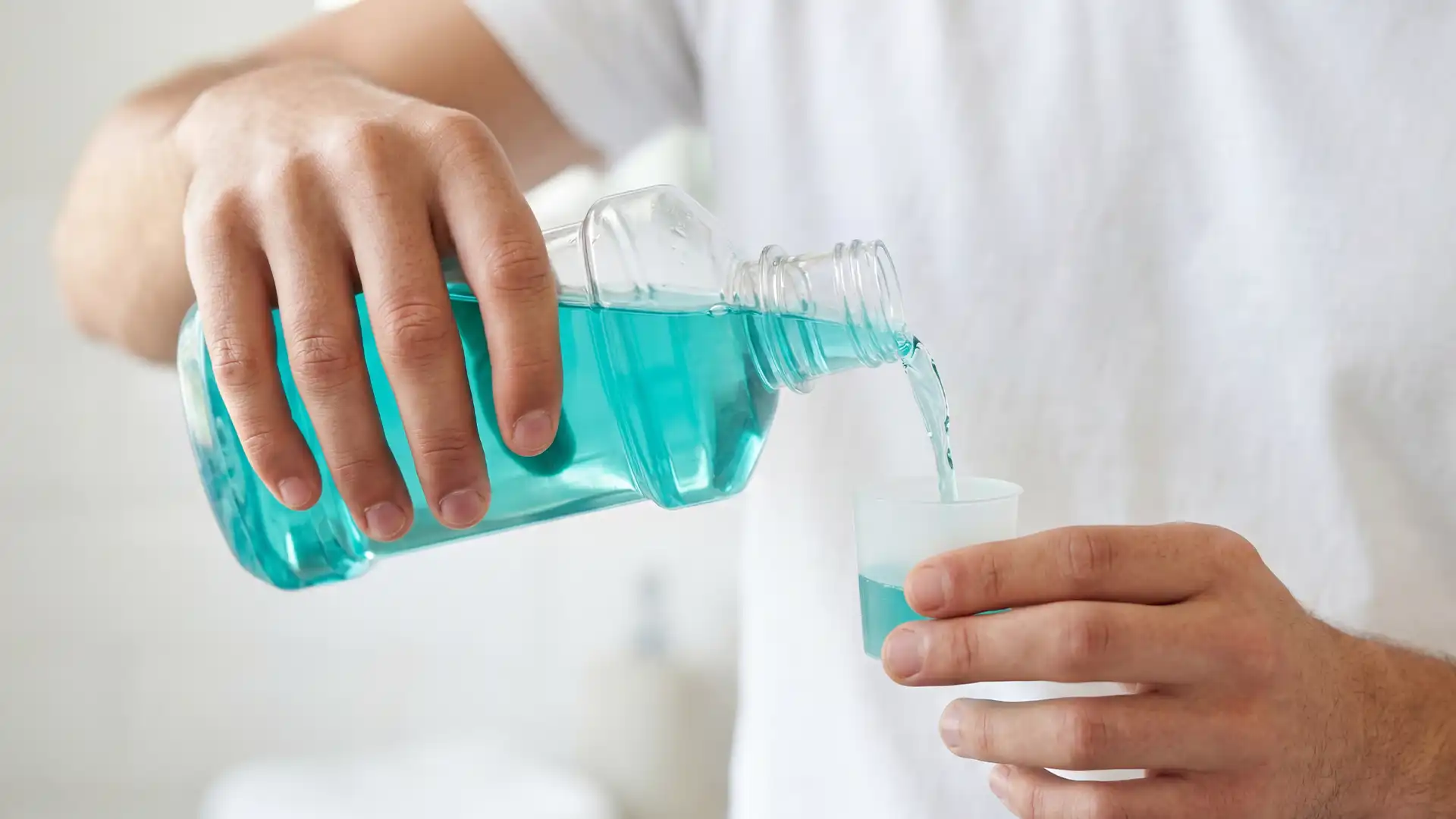
Use the amount on the label, usually about 20 ml or 4 teaspoons, since more isn't more effective. Swish vigorously for 30 to 60 seconds, working the liquid between your teeth, and skip the water rinse afterward. With fluoride mouthwash, hold off on eating, drinking, or smoking for at least 30 minutes.
If mouthwash feels too strong, switch to an alcohol-free formula rather than diluting it with water, which can reduce how well it works. For best results, use it after brushing and flossing.
Questions About Your Oral Care Routine? Ask Gentle Dental
Mouthwash works best alongside regular brushing, flossing, and professional cleanings. The right mouthwash for you, whether you're managing gum disease, sensitivity, or a history of cavities, is something your dentist can help you figure out. Routine cleanings and exams, the foundation of good oral health, are covered at 80 to 100% under most insurance plans.
Have questions about your oral care routine? Schedule a visit at a Gentle Dental location near you.