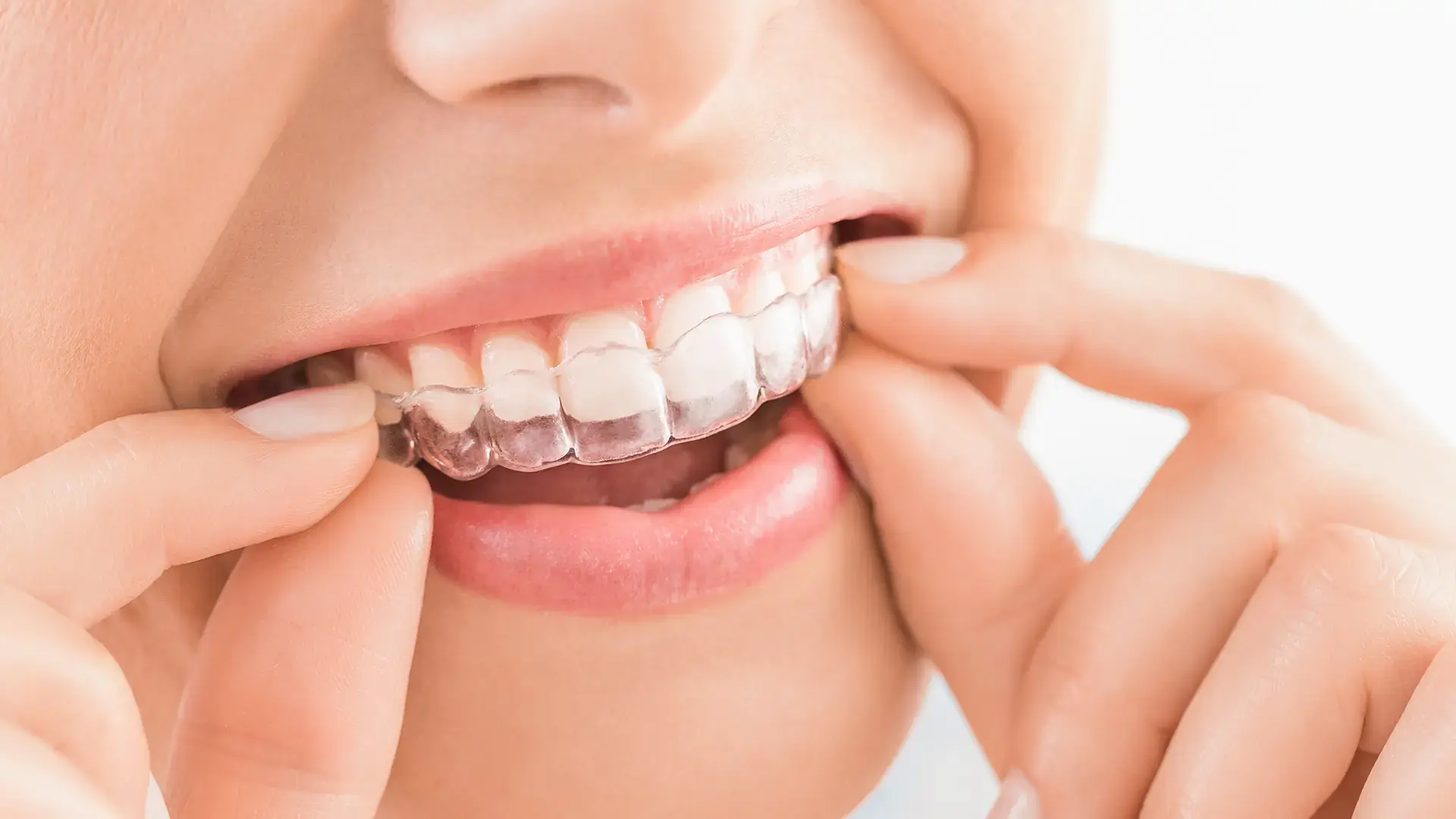
If your child has braces and plays sports, finding the right mouthguard for braces is essential. The American Dental Association (ADA) recommends mouthguards for any sport that carries a risk of contact, and braces raise the stakes a bit.
We'll walk you through the types of mouthguards that work best with braces, how to choose the right one for your child, and the questions worth asking your local dentist or orthodontist before the season starts.
Types of Mouthguards That Work with Braces
Not all mouthguards are created equal, and when braces are in the picture, the type you choose makes a real difference. Here's a breakdown of your options:
Custom-Fitted Mouthguards
Custom-fitted mouthguards are made by a dentist or orthodontist using a mold of your child's mouth. Because they're designed specifically around brackets and wires, they offer the best fit, the most comfort, and the highest level of protection.
They're the most expensive option, typically ranging from $100 to $400 or more, but many families find the investment worthwhile, especially for high-contact sports. Another big plus: they can be adjusted as your child's orthodontic treatment progresses.
Boil-and-Bite Mouthguards for Braces
Boil-and-bite mouthguards are widely available at sporting goods stores and offer a middle-ground option. You soften them in hot water and mold them to your child's teeth at home. They're much more affordable, usually running between $15 and $40.
Look for models specifically labeled for braces. These are designed with extra room to accommodate brackets and wires. Keep in mind that as teeth shift during treatment, the fit may change, so you might need to re-mold or replace the mouthguard along the way.
Stock Mouthguards
Stock mouthguards come pre-formed with no customization and are generally not recommended for kids with braces. They tend to sit either too tight against brackets or too loose to offer real protection. While they're the cheapest option upfront, a poor fit can actually increase the risk of injury rather than reduce it.
How to Choose the Best Mouthguard for Braces
With a few options on the market, choosing the right mouthguard for your child comes down to a few practical factors. Here's what to consider:
Think About the Sport
The level of contact matters. For high-contact sports like football, wrestling, boxing, and hockey, a custom-fitted mouthguard is the safest bet. For lighter-contact sports like basketball or soccer, a quality boil-and-bite mouthguard designed for braces may offer adequate protection. When in doubt, go with the better fit.
Check League Requirements
Some leagues and school athletic programs require a specific type of mouthguard, and certain insurance policies may as well. Before purchasing anything, check with your child's coach or league coordinator to ensure you meet any requirements.
Make Sure It Covers the Right Teeth
If your child has braces on both the upper and lower arches, look for a mouthguard that covers both. Single-arch guards may leave part of the mouth unprotected.
Prioritize Comfort and Breathability
A mouthguard your child refuses to wear offers zero protection. Look for options that allow easy breathing and speaking. Kids are much more likely to keep it in during practice and games if it doesn't feel like a burden.
Ask Your Orthodontist
Your child's orthodontist knows the details of their treatment plan and can recommend the best option for their specific situation. It's always worth a quick conversation before the season starts.
Plan for Replacements
As your child’s teeth shift during orthodontic treatment, a mouthguard's fit can change, so it may need to be remolded or replaced periodically. Factor that into your budget when comparing options.
Why Mouthguards Matter Even More with Braces
Brackets and Wires Can Cause Soft Tissue Injuries
During any impact to the face, brackets and wires can cut the lips, cheeks, and gums from the inside. A properly fitted mouthguard acts as a protective barrier between the hardware and the soft tissue, reducing the risk of painful lacerations.
A Single Blow Can Set Back Orthodontic Treatment
A hit to the mouth can break brackets, bend wires, or dislodge bands. Beyond the discomfort, that kind of damage means emergency orthodontic appointments, potential treatment delays, and unexpected out-of-pocket costs.
The Numbers Back It Up
The ADA recommends mouthguards for any sport that carries a risk of falls, contact, or flying objects, and for good reason. According to the ADA, athletes who don't wear mouthguards are significantly more likely to suffer a dental injury. For kids with braces, that risk is compounded by the presence of brackets and wires that can cause additional harm on impact.
Protection Goes Beyond the Teeth
There's also growing evidence that mouthguards may help reduce the risk of concussions—an important consideration for parents of kids playing high-contact sports like football, hockey, or wrestling.
Common Questions About Mouthguards and Braces
Can You Wear a Mouthguard with Braces?
Yes, and it's strongly recommended. Look for mouthguards designed specifically for braces, either custom-fitted by your dentist or orthodontist, or boil-and-bite models clearly labeled for orthodontic use.
Do You Need a Mouthguard for Top and Bottom Braces?
Ideally, yes. If your child has braces on both arches, a mouthguard that covers both the top and bottom teeth offers the most complete protection.
How Often Should You Replace a Mouthguard During Orthodontic Treatment?
Plan to reassess the fit every few months, or sooner if the fit changes noticeably. Because braces gradually shift the teeth, a mouthguard that fits well at the start of the season may no longer provide adequate protection a few months later.
Can a Mouthguard Damage Braces?
A properly fitted mouthguard will not damage braces. The mouthguards most likely to cause problems are pre-formed options that don't accommodate brackets and wires.
Protect Your Child’s Smile with Help from Gentle Dental
If you're not sure which type of mouthguard is right for your child's specific treatment plan, their orthodontist is the best place to start. Our orthodontists and dentists at Gentle Dental can assess your child's braces and recommend, or create, a custom-fitted mouthguard.
Ready to find the right mouthguard for your child's braces? Schedule a consultation at your nearest Gentle Dental location. Our team is here to keep your child's smile safe—on and off the field.